After having to cancel our September trip to Norway as no one was able to look after our dog, we decided to go on a staycation and bring him along for the ride.
It was our first holiday with our dog, and although much more stressful, we had fun all the same.
There is so much more to consider when bringing your furry friend along- you have to know what restaurants you can eat in and what attractions you can visit each day which takes a lot of planning.
Day 1
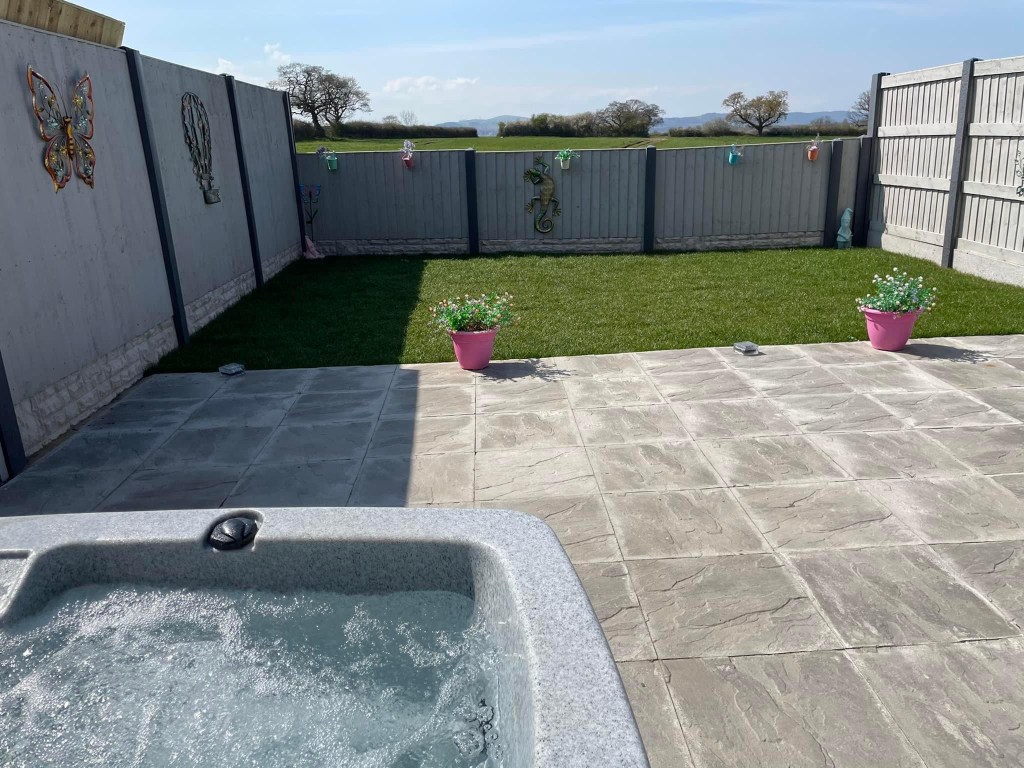
After the short drive to Wales, we arrived at our cottage for the weekend. We stayed at Dwylig Isa Holiday Cottages near Rhyl, who were very accommodating towards both us, and our dog.
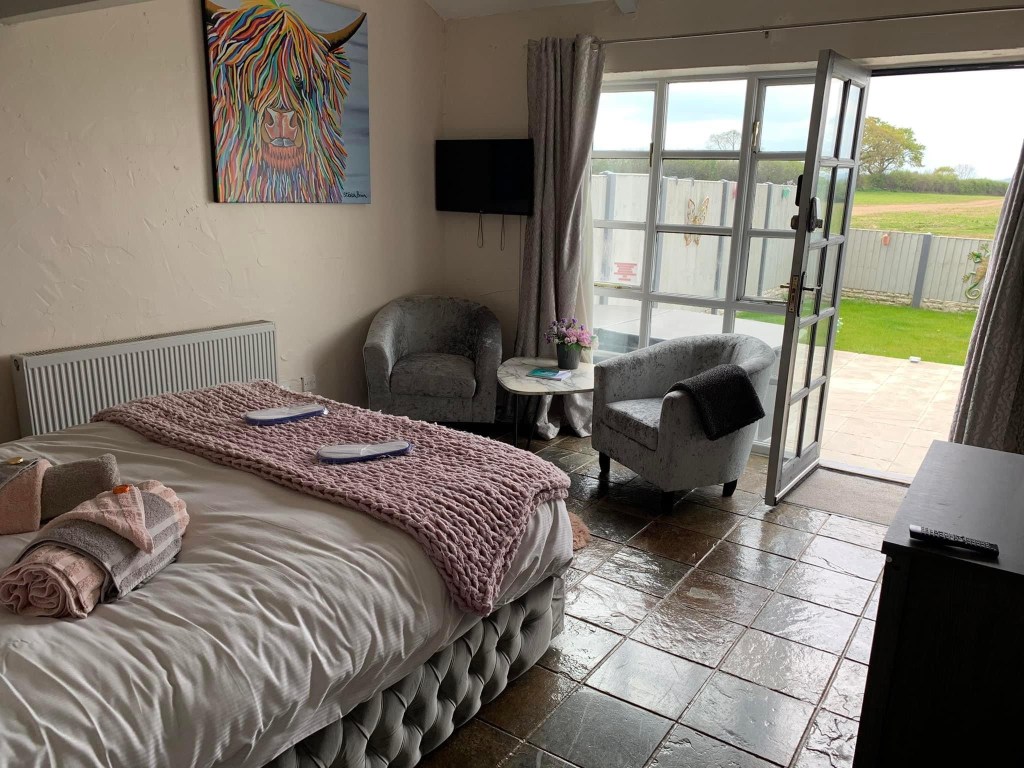
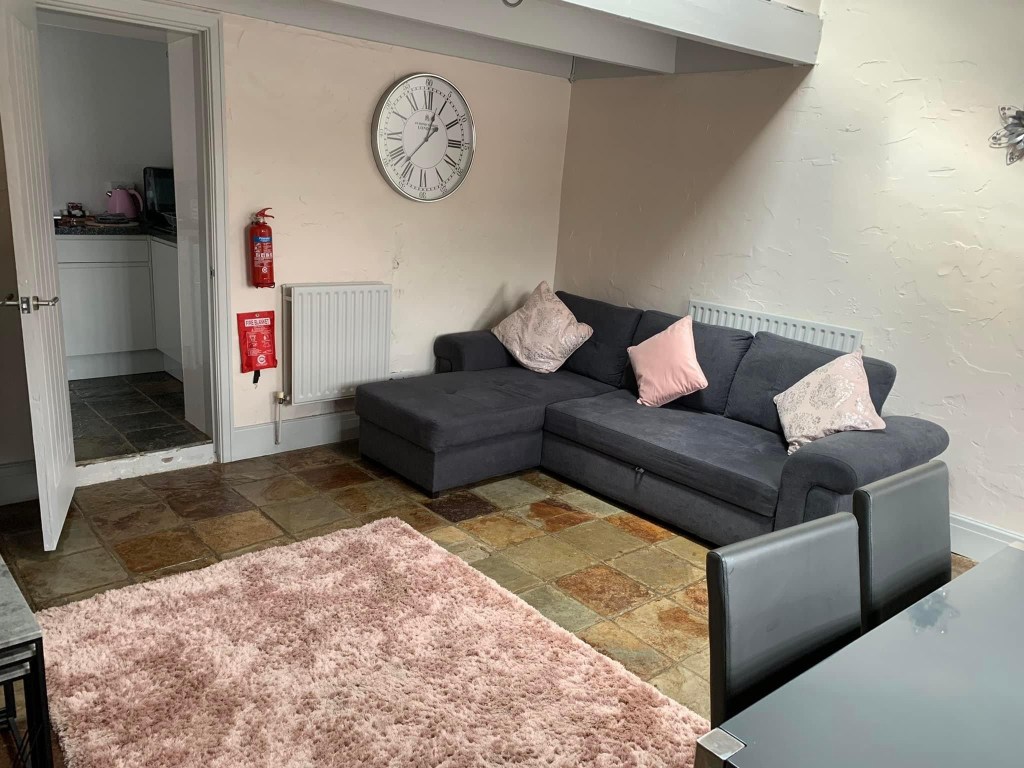
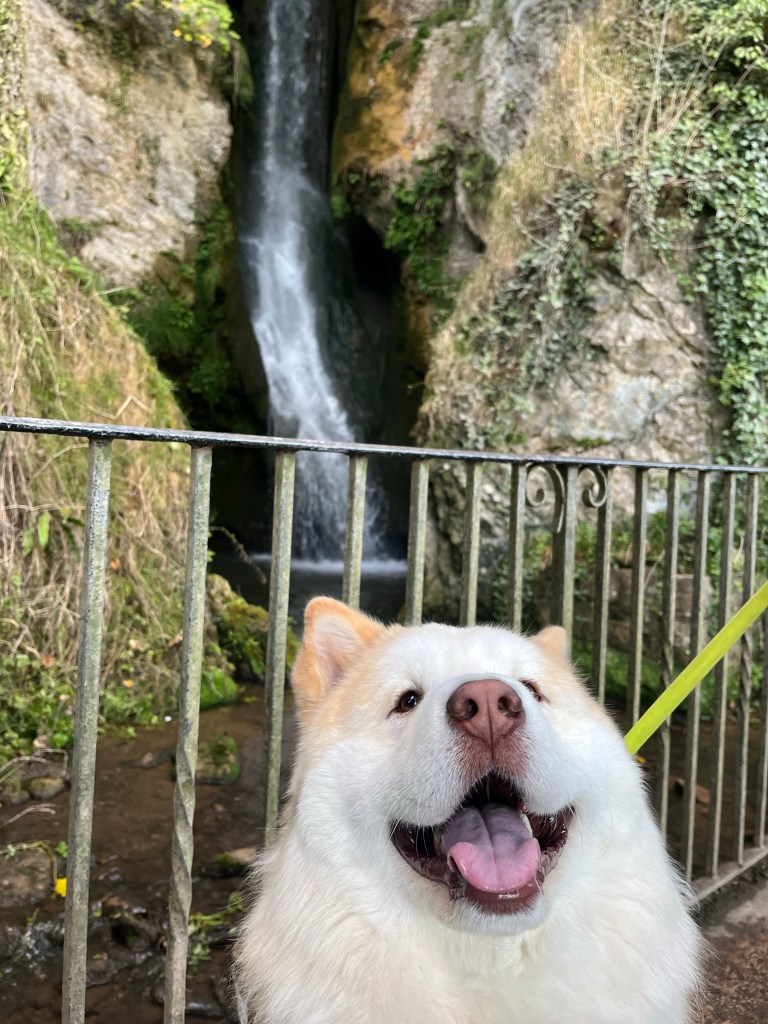
As it was the evening when we arrived, as we had travelled after work, we ordered ourselves a takeaway and took the dog for a walk to the nearby Dyserth waterfall.
Day 2
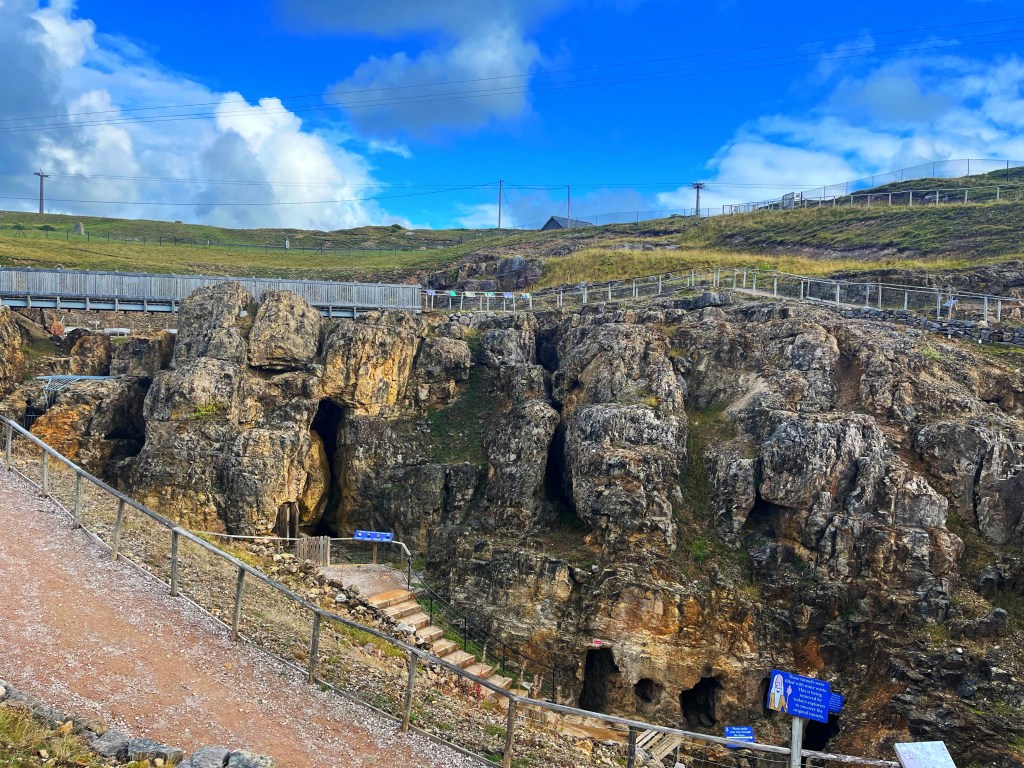
We headed out early to drive to the coastal town of Llandudno, where our first attraction of the day awaited. We drove to the top of the Great Orme, to the Great Orme Bronze Age Mines, and dogs are allowed in all parts of the site.
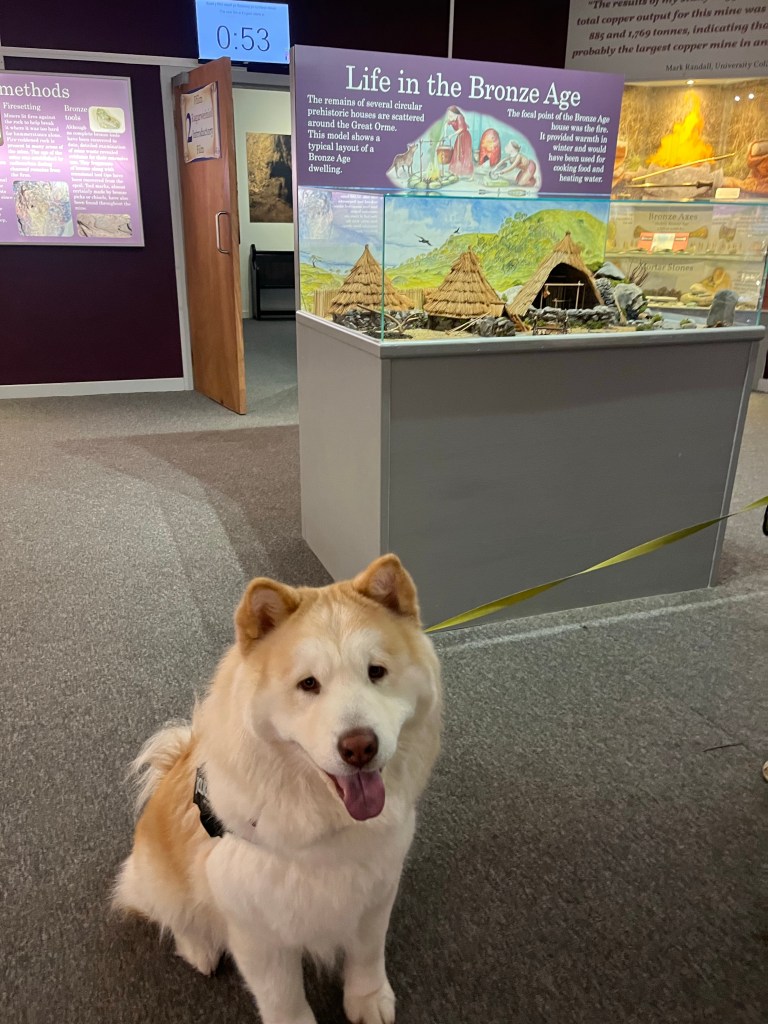
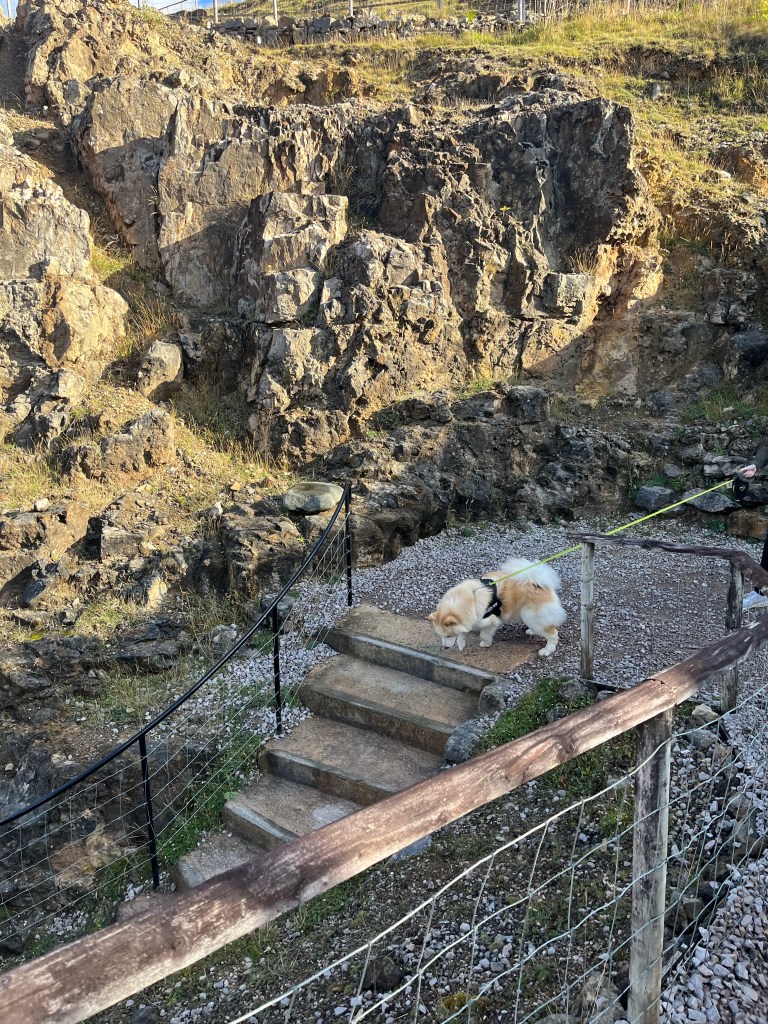
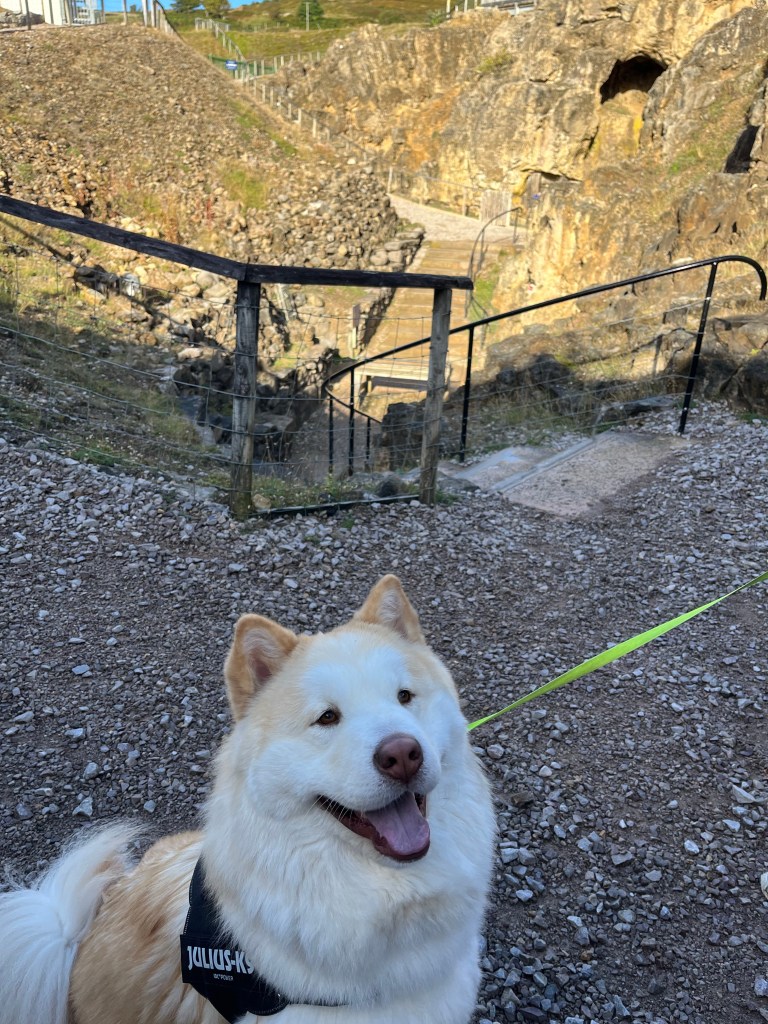
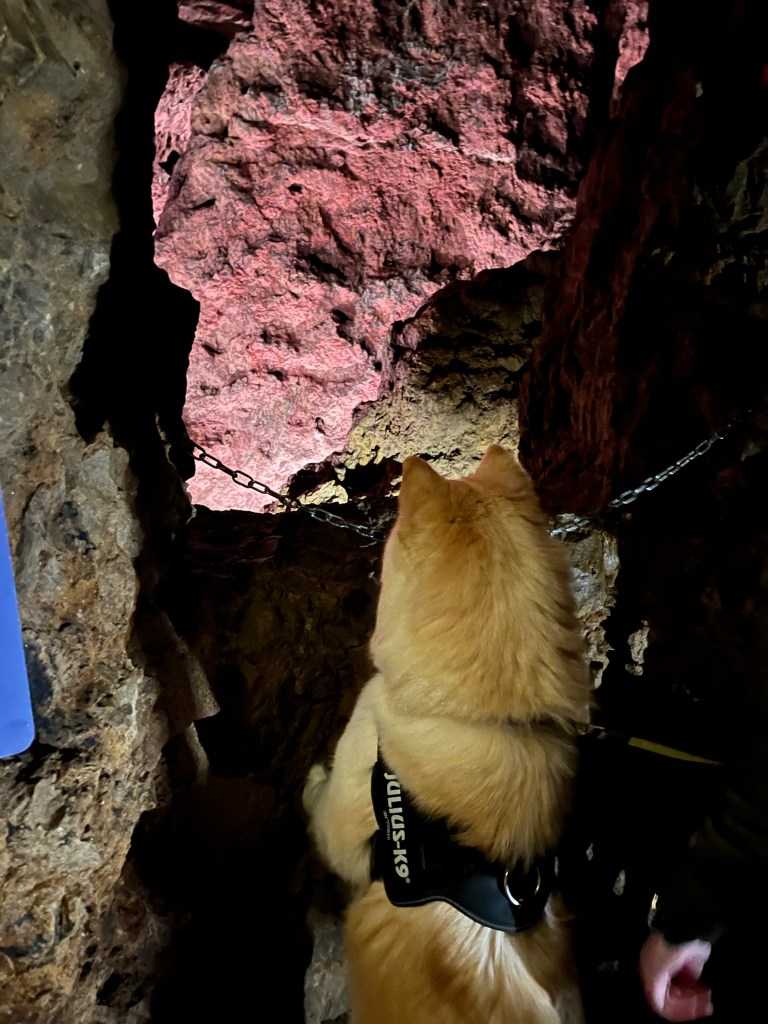
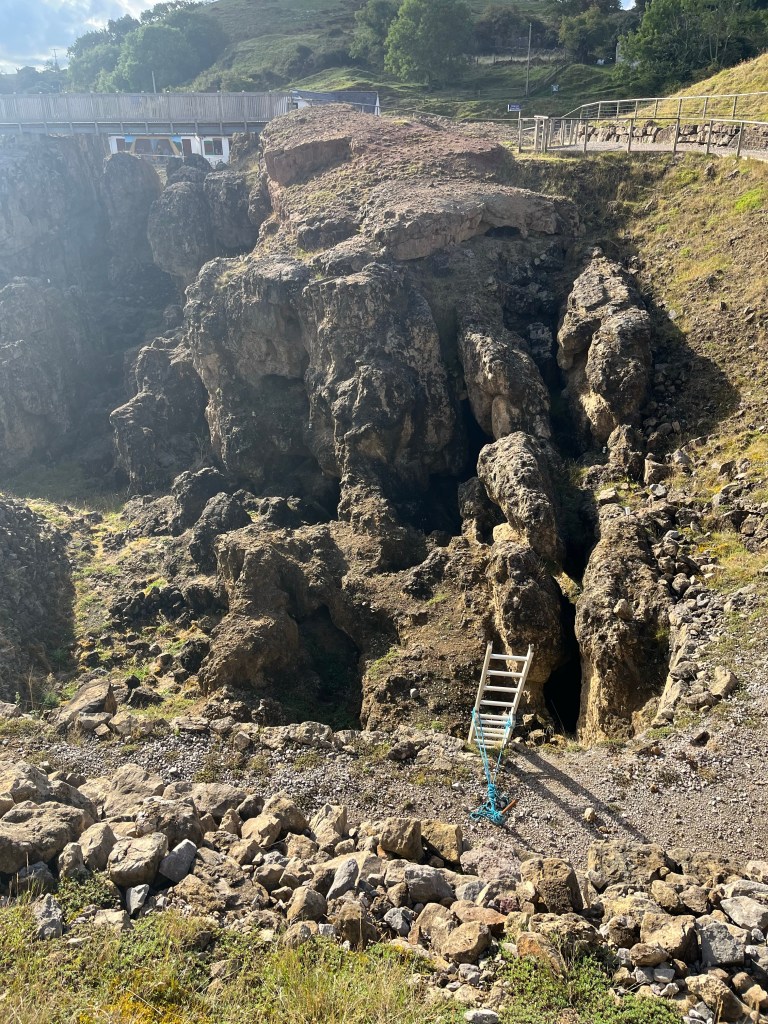
The mines date back over 4,000 years, and are the largest copper mines in the world. The self-guided tour of the tunnels gives a feel for the harsh conditions our prehistoric ancestors faced in their search for copper.
On the surface, you could see the excavations of the opencast mine, see how our ancestors turned rock into metal at the smelting shelter and peer down the 145 metre deep Victorian mine shaft.
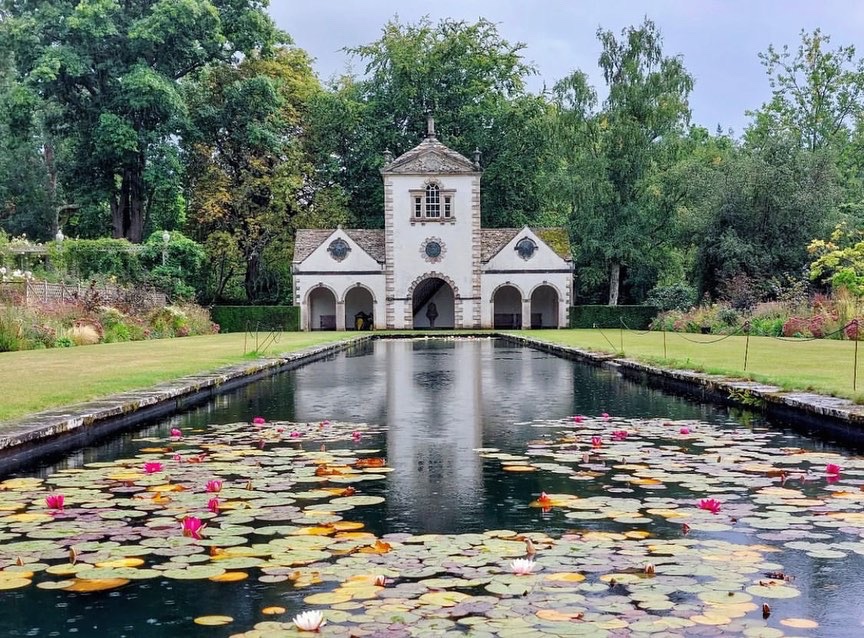
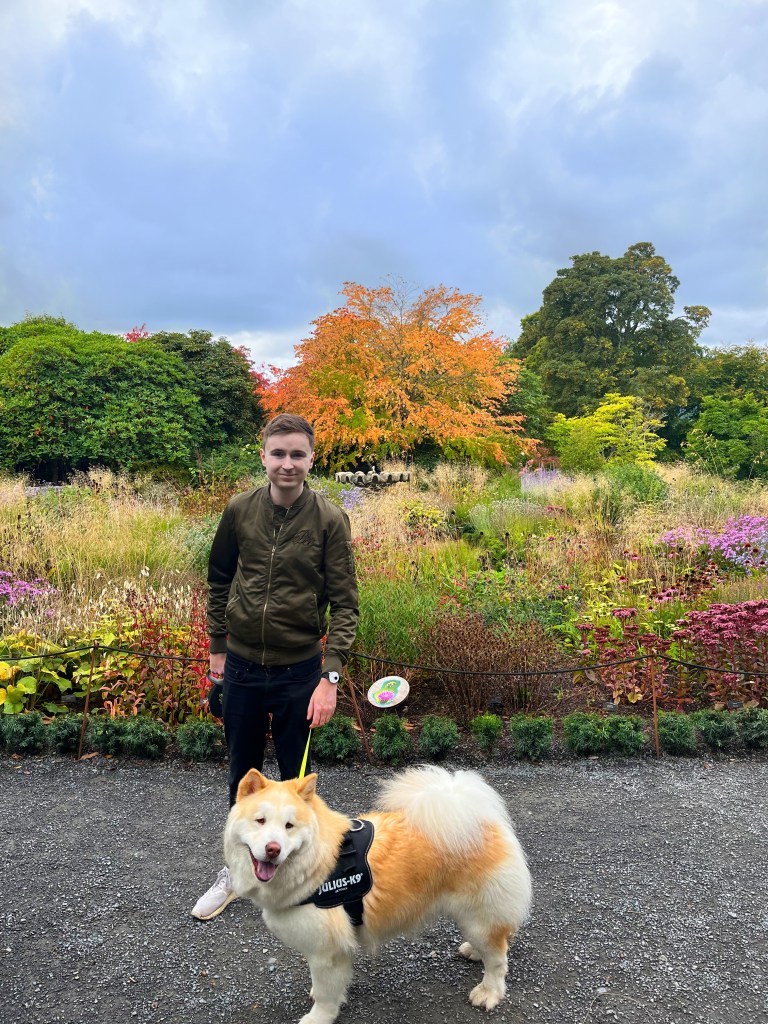
We then drove to Bodnant Gardens, which is dog friendly on weekends. These gardens are world famous, created in the 1890’s by the Pochin family.
There is a total of over 80 acres of gardens to explore, we only managed to explore a fraction of it during our time there.
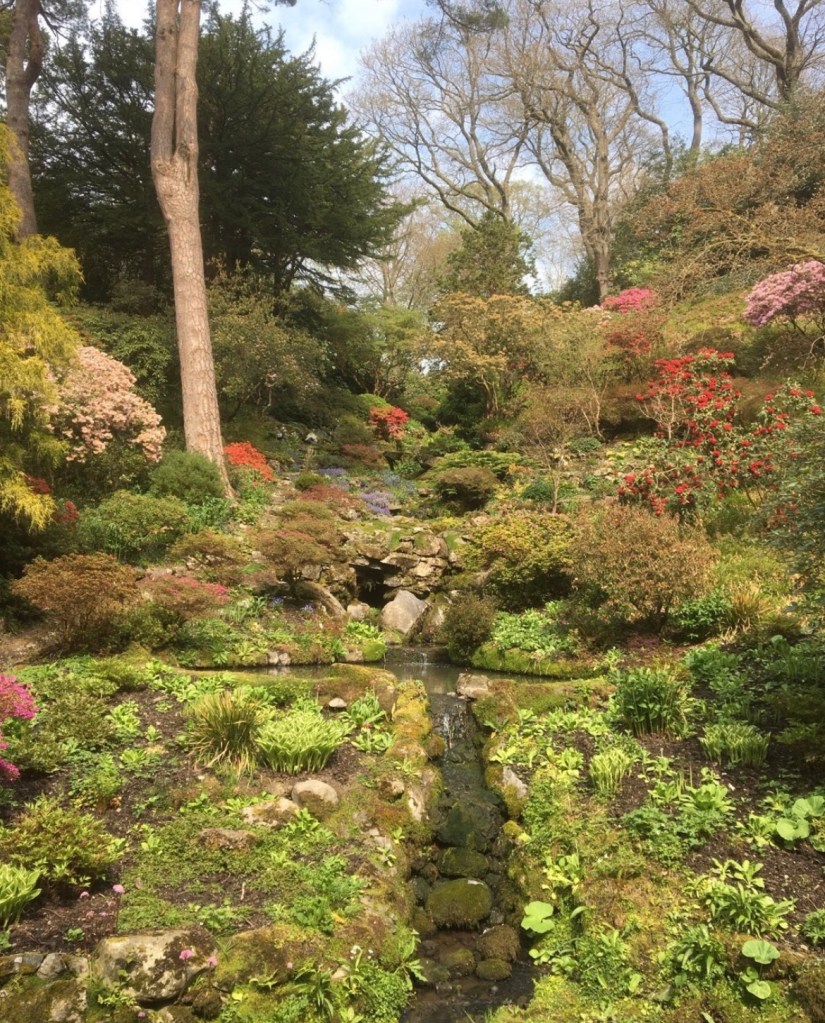
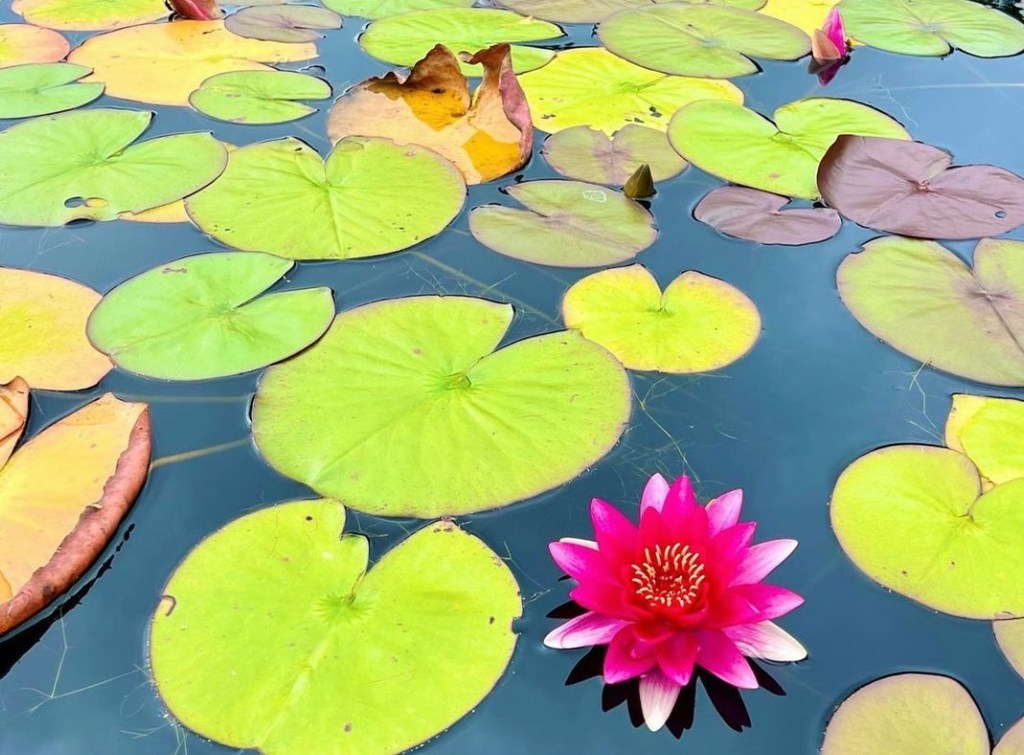
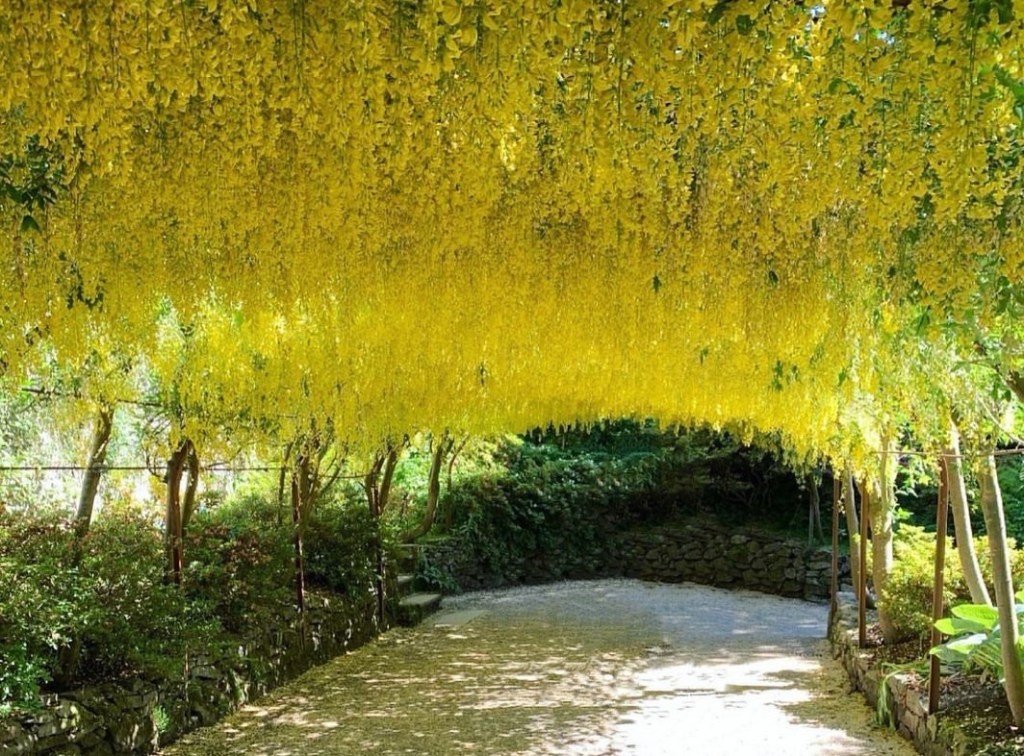
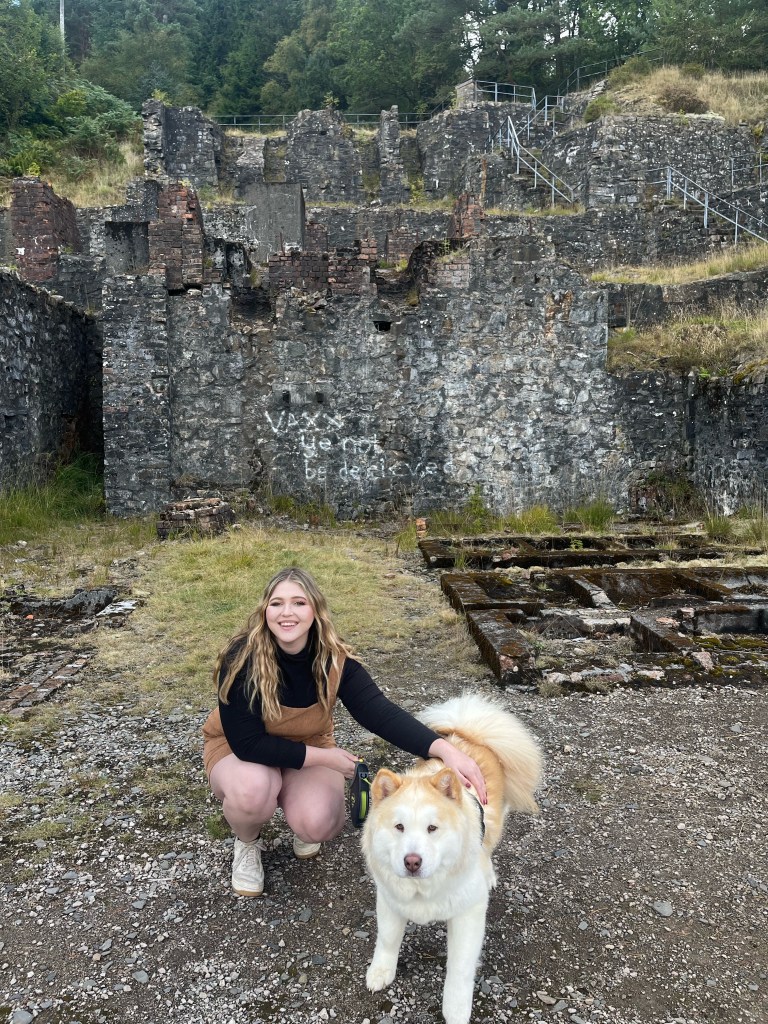
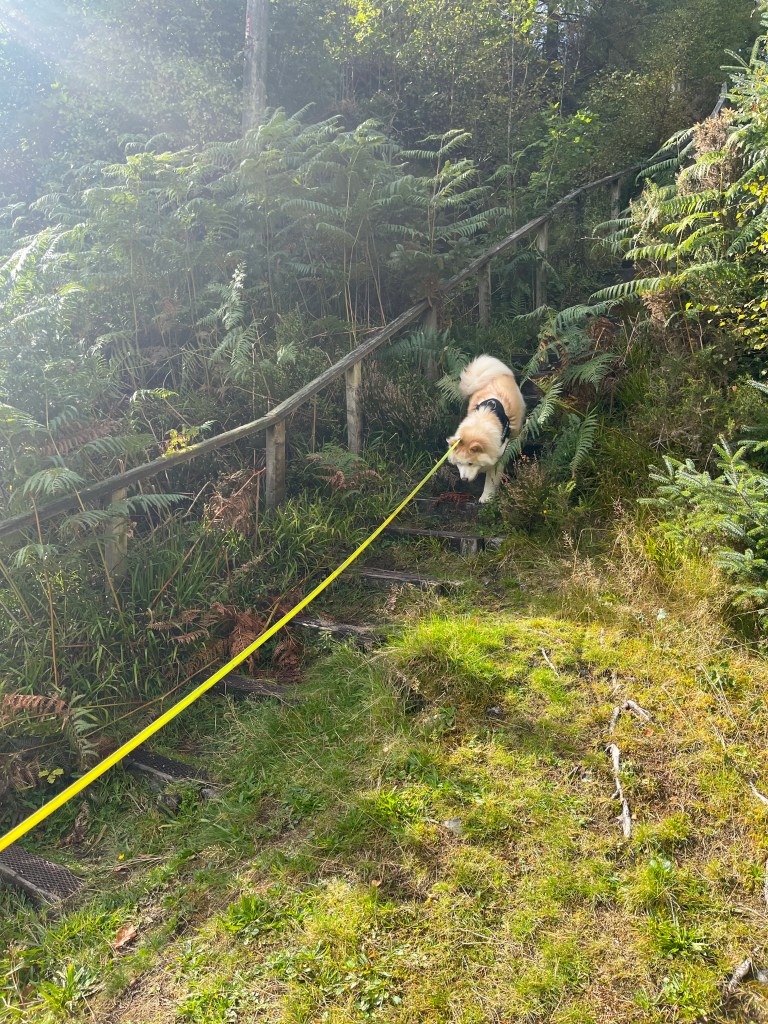
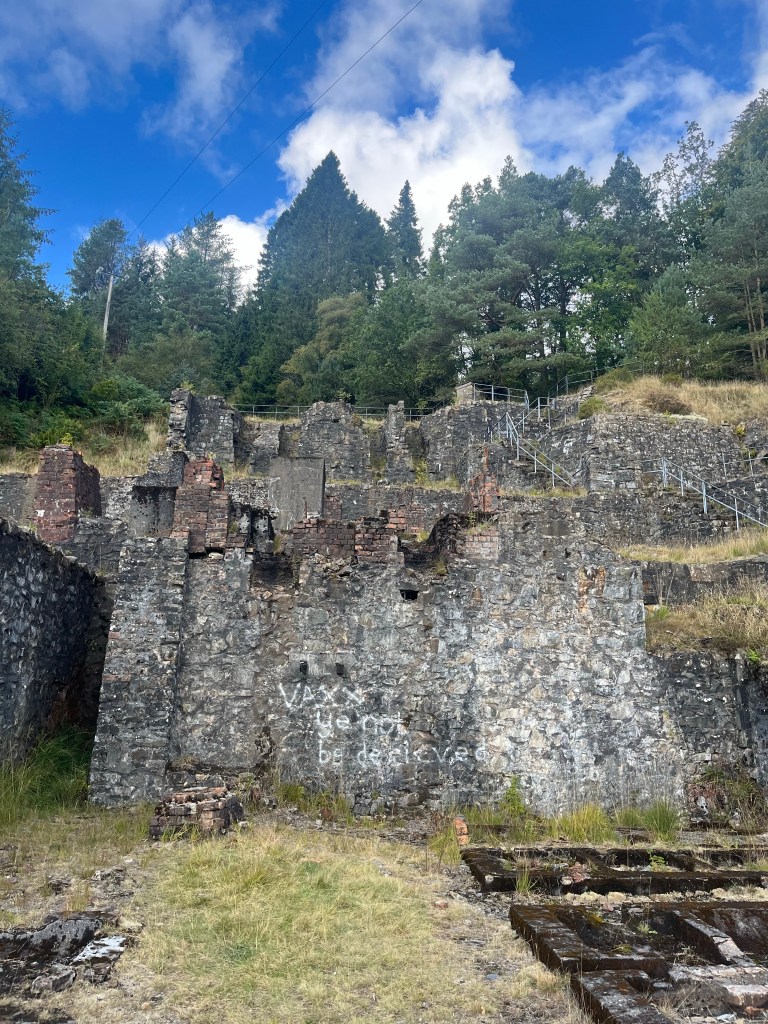
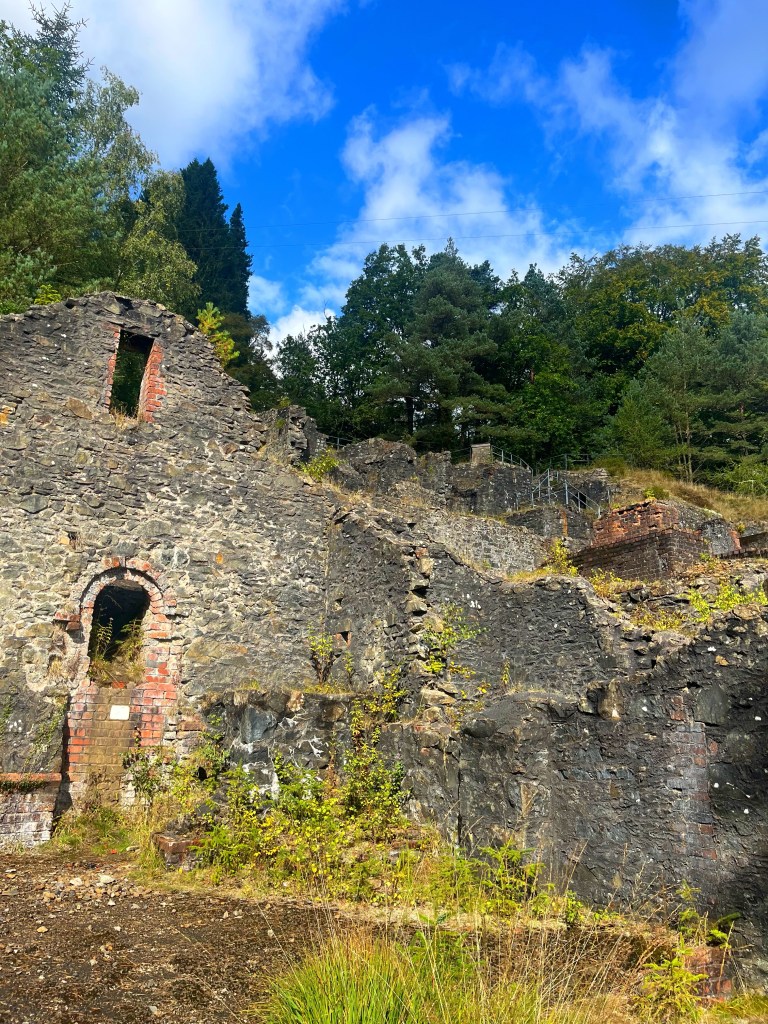
After grabbing a bite to eat in the cafe, we headed to our last destination of the day, the Hafna lead mine ruins.
Just a short stroll from the car park, we were met by these magnificent ruins, and the best preserved lead mine ruins in the area. The remains include a stepped mill, incline, smelting house and round plan chimney on the western side of Bwlch yr Haearn. The mill dates from 1889-1905, it has a French design and has used water, steam and electricity. The mine is known to have last been used in 1919 and now there are interpretative panels to explain the history of the site.
Day 3
Today we headed to Llanberis, to enjoy the views on the Llanberis Lake Railway from Gilfach Ddu.
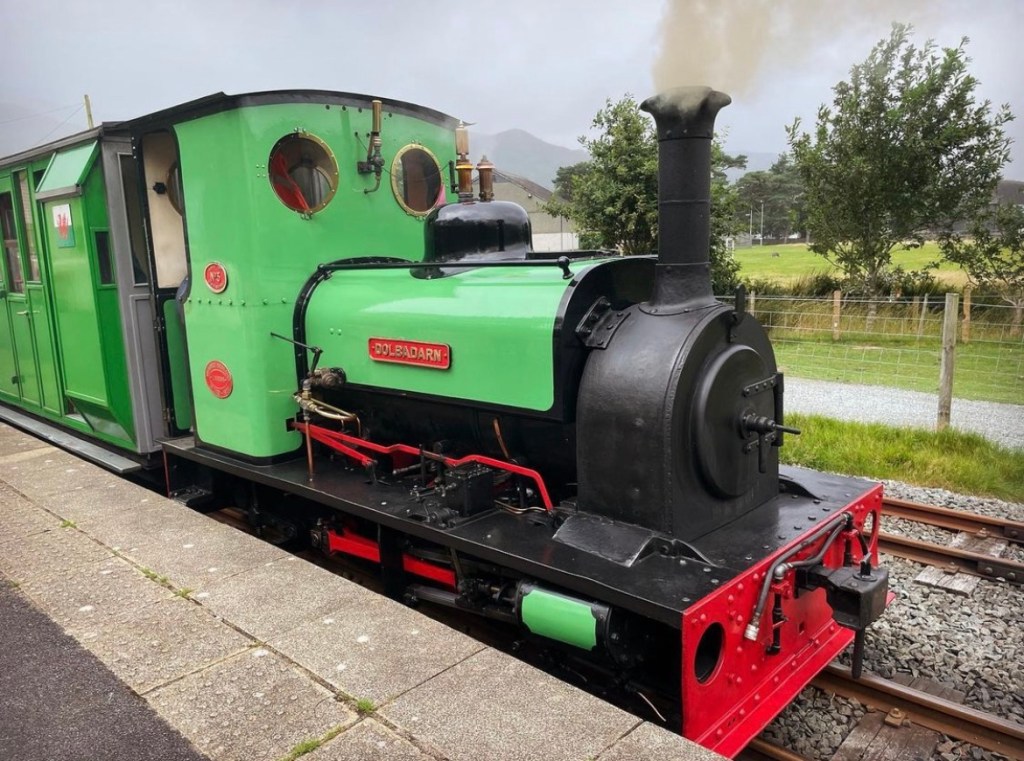
Llyn Peris and the Llanberis Pass can be seen on the left-hand side as the train pulls out of the station. Also on the left, dominating the surrounding countryside, is Dolbadarn Castle, which we visited later.
As the train pulled along the lakeside, the village of Llanberis could be seen on the opposite shore, and the full magnificence of the Snowdon mountain range slowly unfolded.
Milo was a little unsure of the train at first, but he settled really quickly and seemed to enjoy the view just as much as the rest of us.
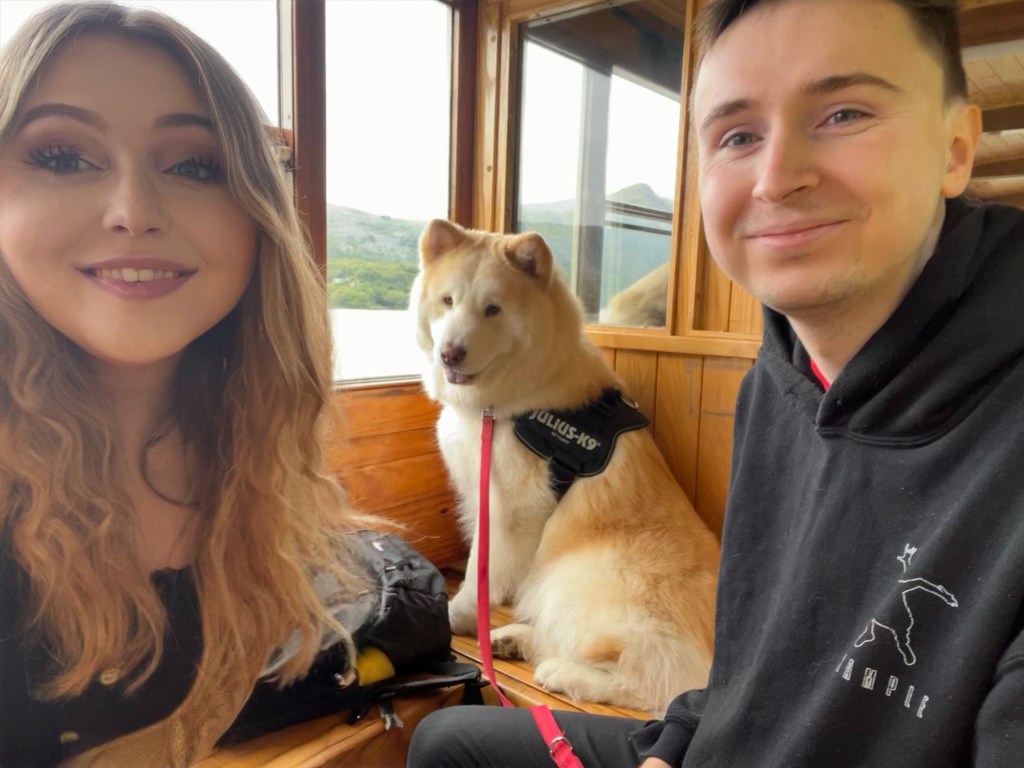
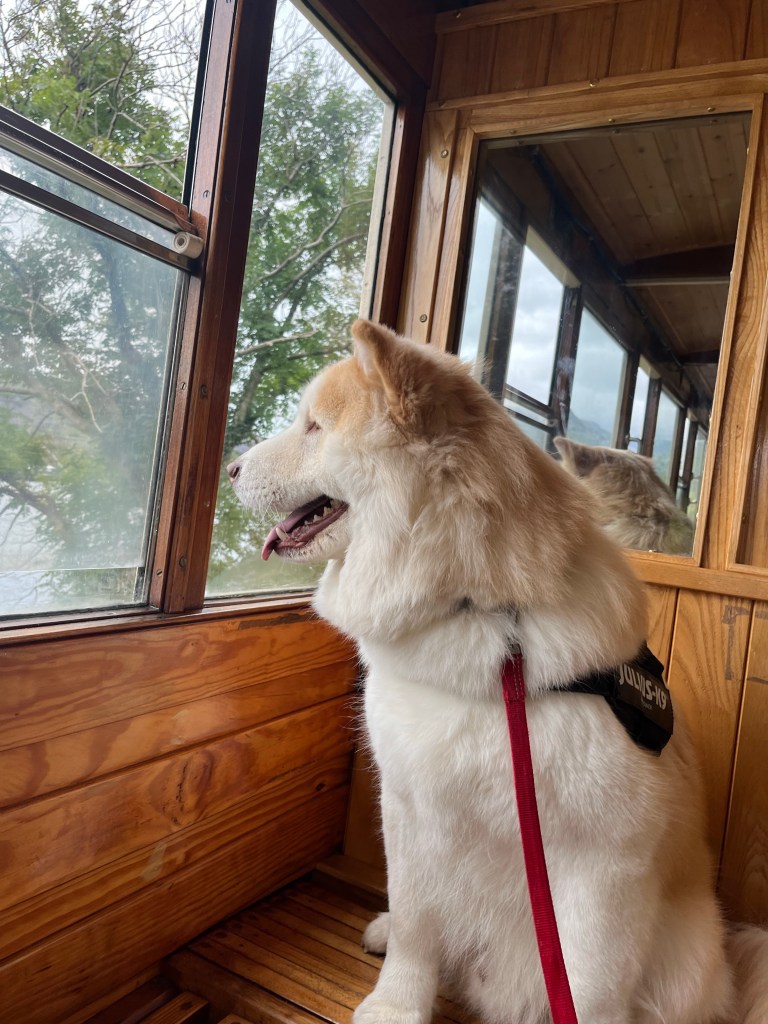
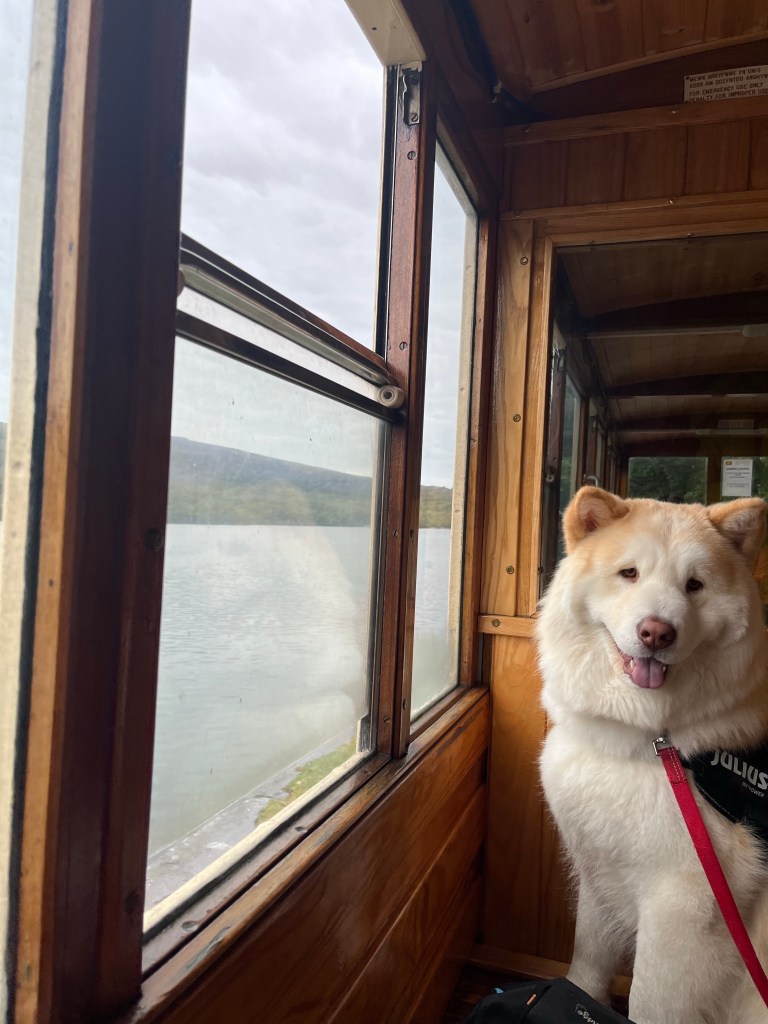
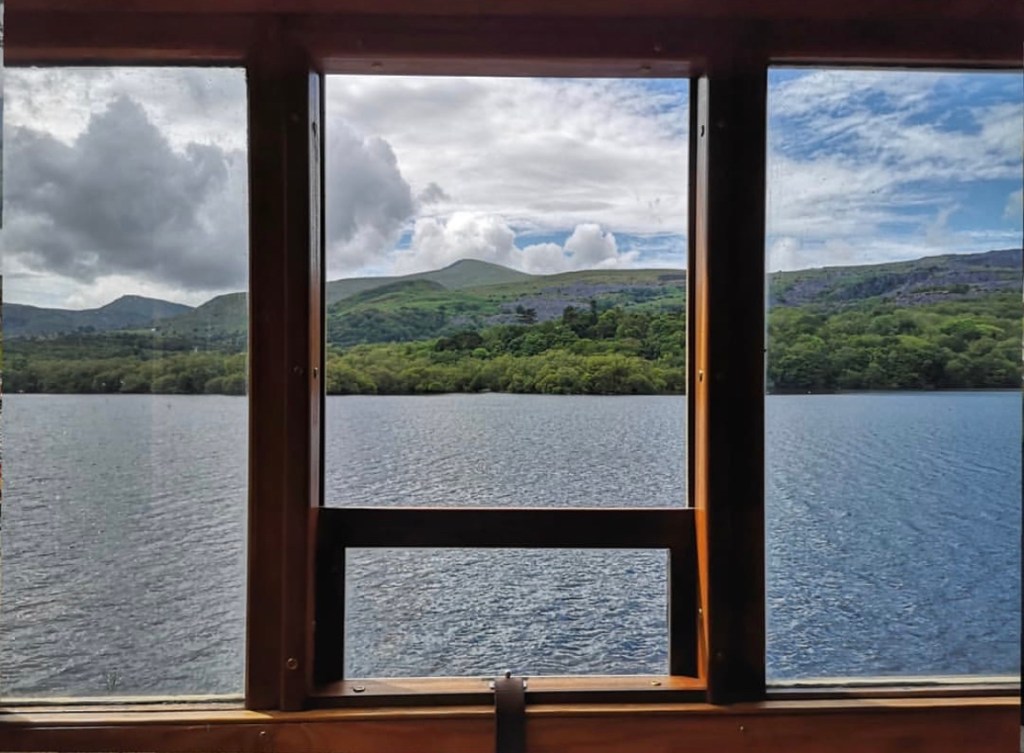
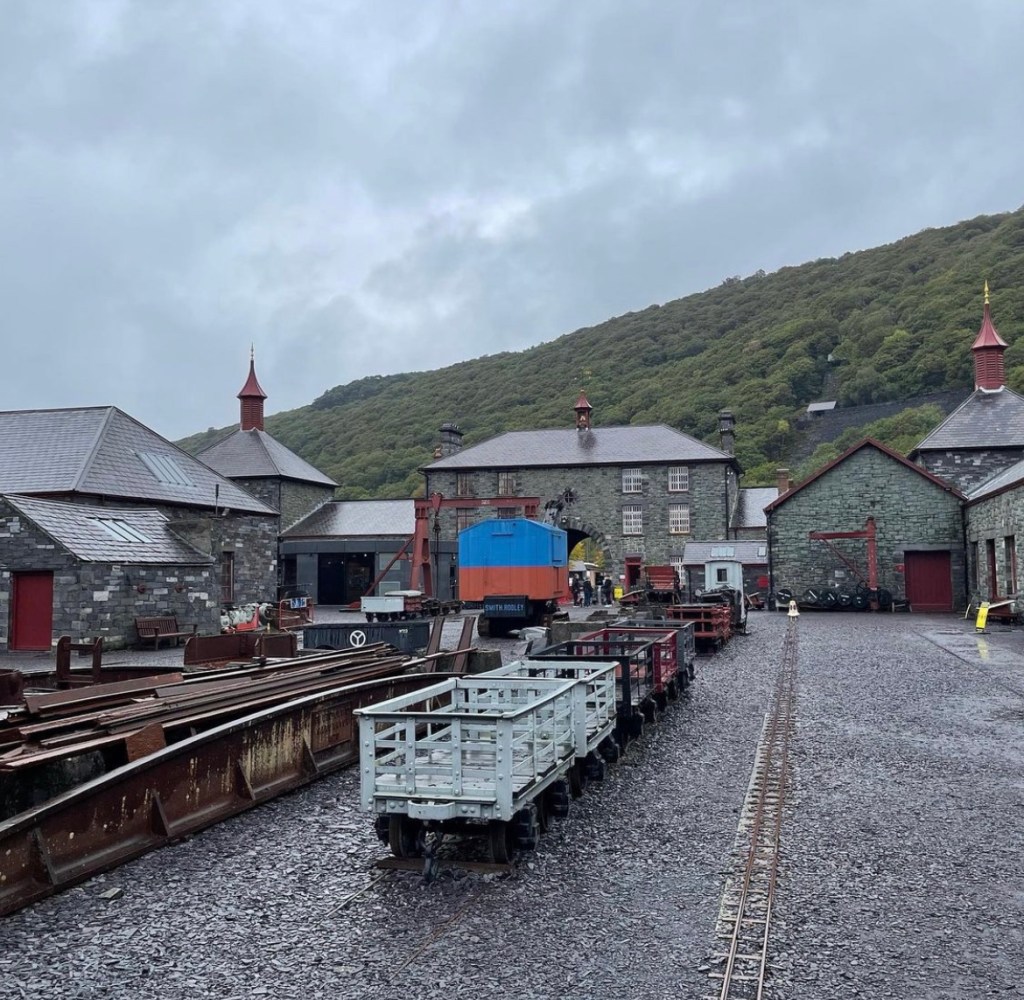
After disembarking from the train, we considered venturing into the slate museum, which is dog friendly, but the dog seemed quite tired by this point of the trip. We took some photographs outside, and then headed up the path to Dolbardan Castle.
Dolbardan Castle was built in the 13th century, at the base of the Llanberis Pass. The castle was important both militarily and as a symbol of Llywelyn’s power and authority.
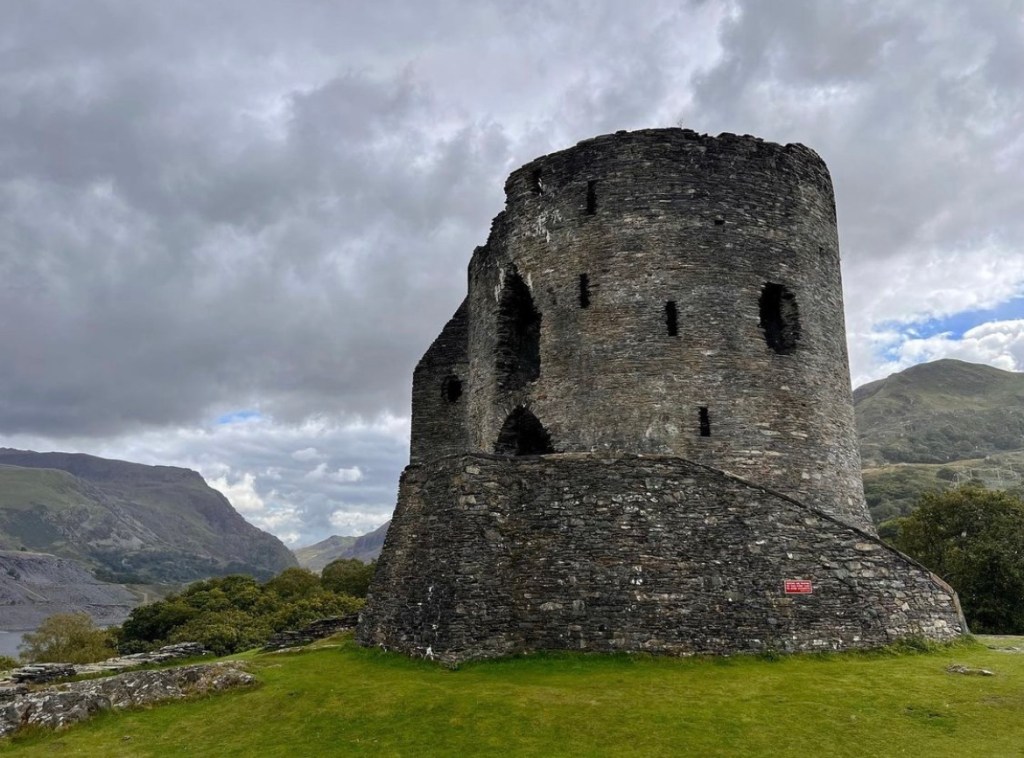
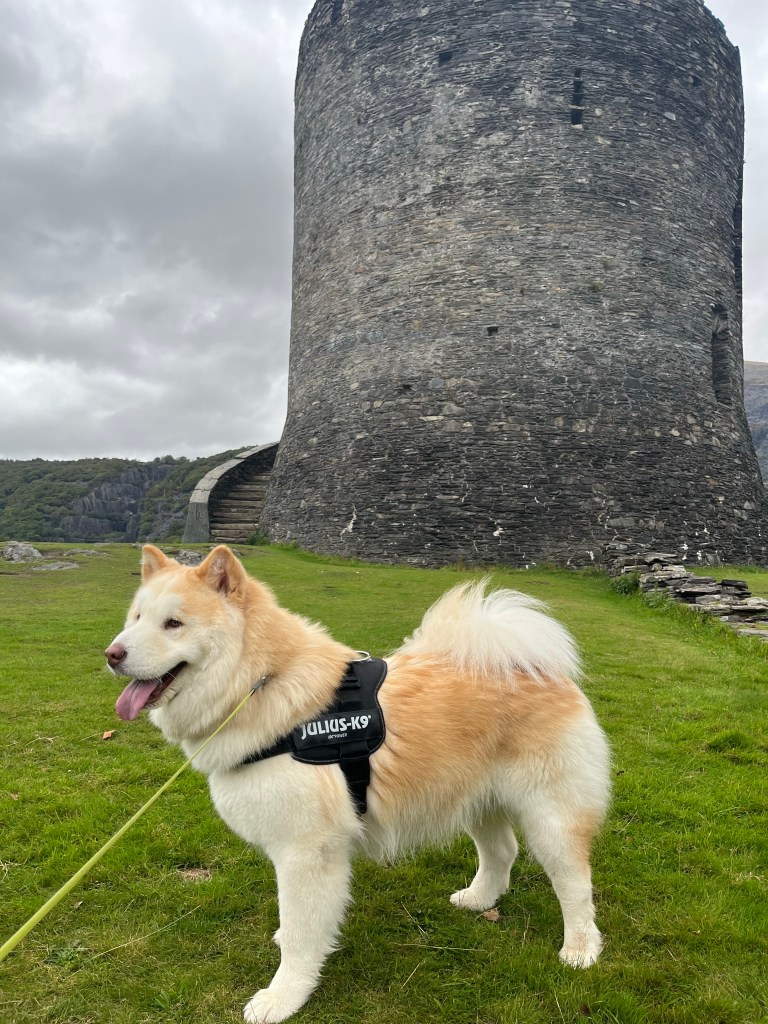
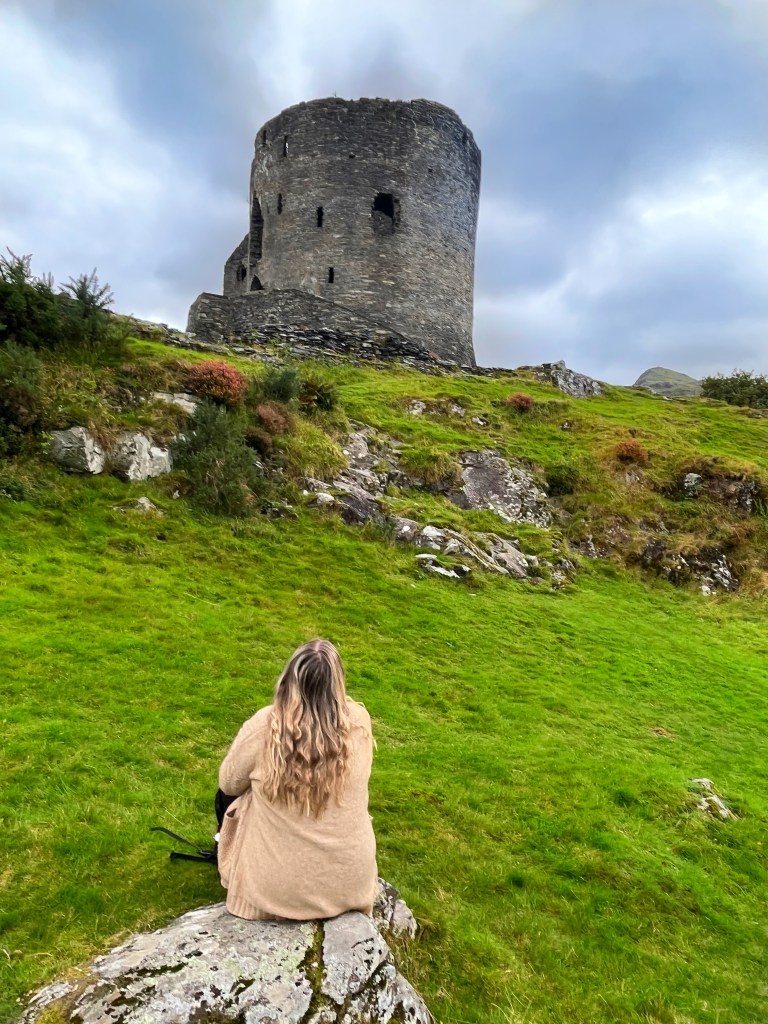
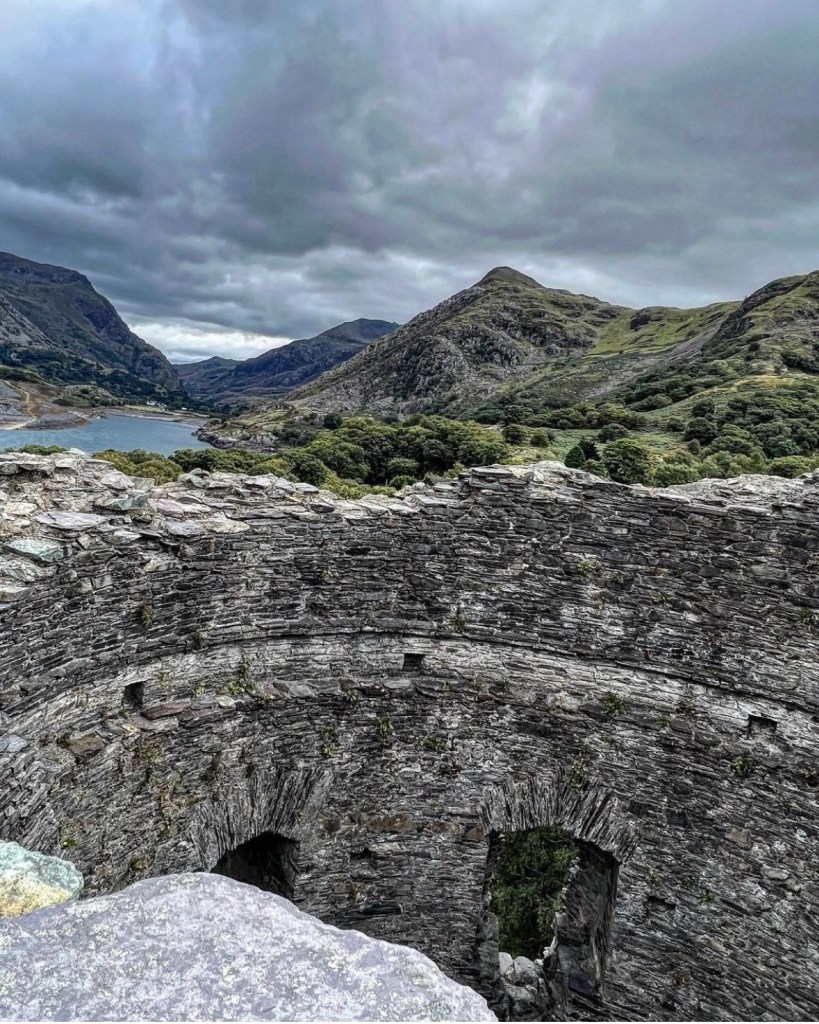
“the finest surviving example of a Welsh round tower”
Richard Advent
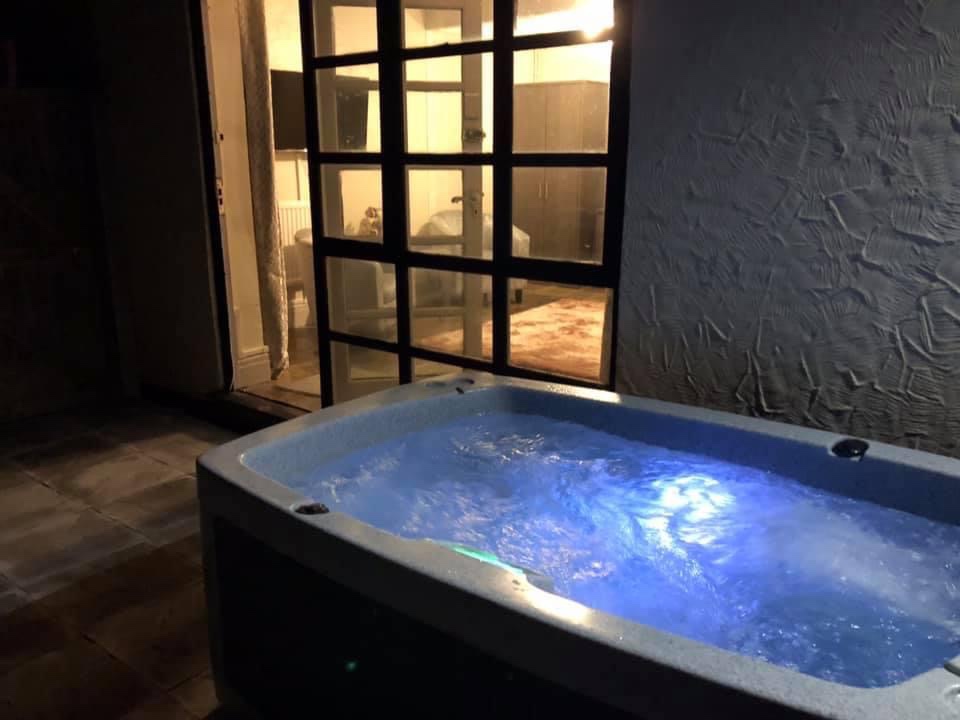
It began to rain shortly after these pictures, so we headed back to our lodge, to spend our final hours in Wales relaxing in the hot tub.
 Travels With Clo
Leave a comment